Why does "is this recyclable?" rarely have one right answer?

Most items people search for while standing over a bin have more than one correct answer. An aluminum can, for example, might be worth returning for a cash deposit, dropping straight into your curbside bin, or both - depending on where you live. Getting one confident answer takes local data, not a guess, which is exactly why so many people give up and toss the item in the trash instead.
If that sounds familiar, you're not alone - a lot of what people believe about recycling turns out to be outdated or just wrong. We've rounded up some of the most common ones in 14 misconceptions about the waste industry, and the "one item, one answer" assumption is close to the top of the list.
Why do some items have more than one disposal option?
A single item can qualify for several genuinely correct pathways at once. An aluminum can might be accepted at a bottle-deposit redemption site and in your curbside single-stream bin. A soft plastic bag might belong in general waste in one city, in a dedicated soft-plastics collection bin in another, and in neither if it's still holding food someone else could eat. None of these answers is wrong - they're just different tradeoffs between environmental impact and how much effort someone is willing to put in.
How does an app decide the "best" answer when there are several options?
A good recycling app has to rank the options, not just list them. Most guidance tools default to showing the single highest-and-best option first - the path with the strongest environmental outcome - while still making the more convenient option easy to find. That's a deliberate tradeoff: show every possible path for every item and people get overwhelmed by a wall of options; show only one and people lose the choice to pick what's realistic for them that day. The goal is a fast, clear first answer, with the fuller picture just one tap away.
Does "recyclable" mean the same thing everywhere?
No - and this is the part that trips up even people who care about getting it right. Scrapp's mobile app currently draws on more than 45,000 mapped drop-off and redemption locations to cover over 400 million people, precisely because "recyclable" depends on your zip code, not just the material an item is made from. A can that's accepted curbside in one town might need to go to a redemption center thirty minutes away in the next one over. Local guidance isn't a nice-to-have here - it's the entire point.
This also explains why blanket claims - on packaging, in ads, or from a well-meaning neighbor - are often technically true somewhere and technically wrong where you live. According to published research, only about 9% of all plastic ever produced has actually been recycled, and mismatched guidance is a meaningful part of why that number is so low.
What should you do when you're not sure?
Ask first, don't guess. A single wrong guess isn't going to undo your effort - but a pattern of guessing wrong is what actually drives contamination at the material recovery facility, which is the opposite of what anyone standing over a bin is trying to do. If you're building better habits around this generally, our list of zero-waste days for 2026 is a low-pressure way to practice - pick one date, try one habit, and see how it sticks.
Frequently asked questions
Is an aluminum can recyclable curbside, or only through a deposit return?
Often both - many places accept aluminum cans in curbside single-stream recycling and through a bottle-deposit redemption program. Redemption usually has the better environmental outcome since the material is captured in a purer stream, but curbside is still a legitimate option if redemption isn't convenient for you.
What does it mean when a recycling symbol appears on packaging?
The chasing-arrows symbol indicates the material type, not a guarantee that your local program accepts it. Whether it's actually recyclable where you live depends on your community's specific program, not the symbol alone.
Why do neighboring towns sometimes have different recycling rules for the same item?
Because recycling infrastructure is built locally, not nationally. Two things decide whether an item is accepted: whether a nearby materials recovery facility (MRF) can physically sort it, and whether there's a buyer willing to pay for that material once it's baled. A town whose MRF has an outlet for glass will take it; a neighboring town whose hauler trucks material to a different MRF without that same buyer often won't. Municipal contracts add another layer - local governments negotiate multi-year hauling agreements, and what gets accepted often reflects what that specific contract covers, not just what's technically recyclable. Permits, landfill capacity, and whether a manufacturer nearby actually wants the material as feedstock all shape the list too. The result is a patchwork that has more to do with contracts and buyers than with the material itself.
What should I do if I can't find a clear answer for an item?
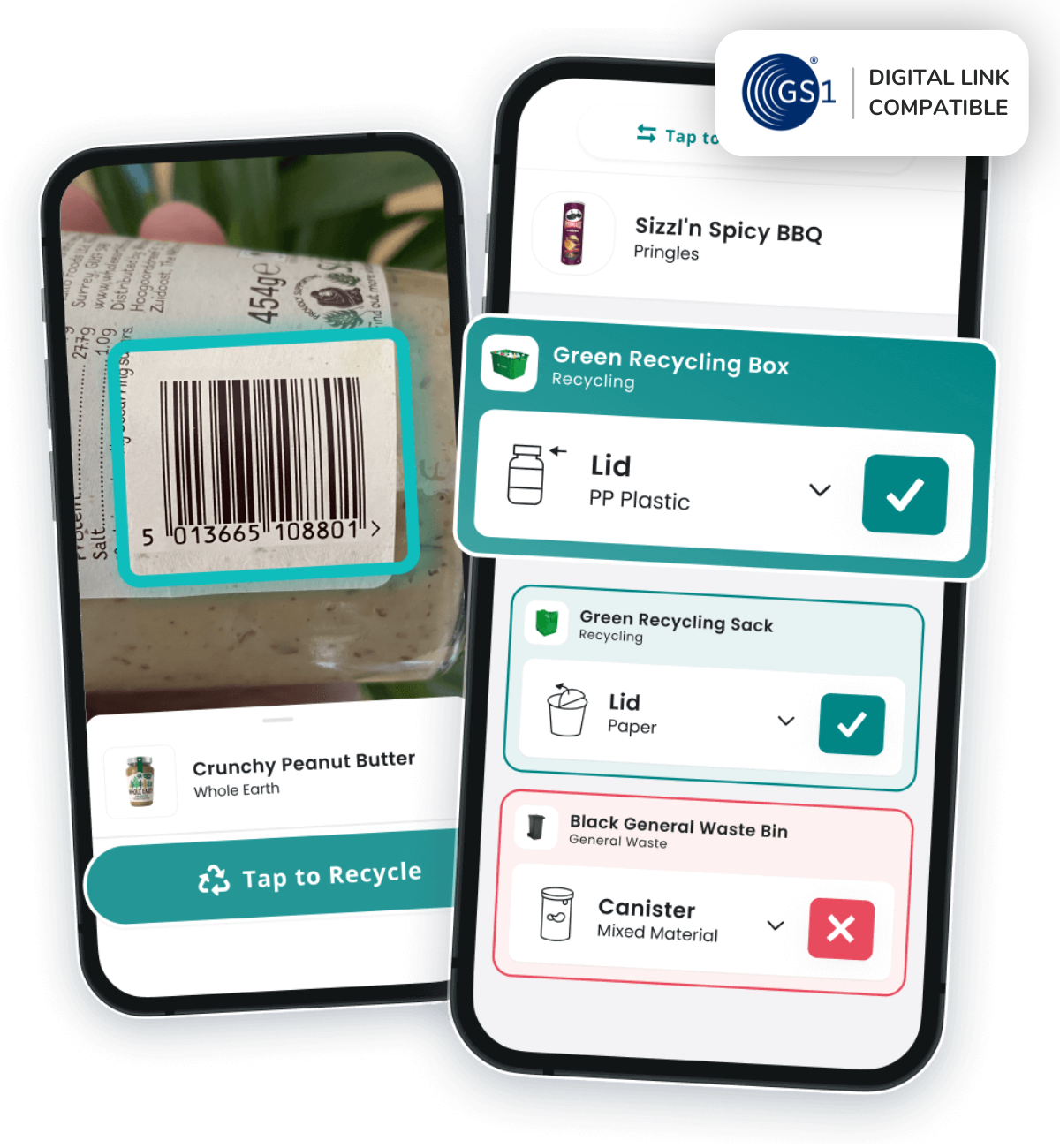
Scan it in the Scrapp mobile app or search for it there directly. Scrapp pulls from local program data tied to your address, rather than a generic national list, so the answer reflects what your community's hauler and materials recovery facility can actually process - a local answer beats a general one every time an item's disposal path depends on where you live.
Does putting the wrong item in recycling actually cause a problem?
Yes - it can contaminate an entire batch of otherwise recyclable material, which can send the whole load to a landfill instead of a recovery facility. Getting the answer right protects the effort of everyone else who sorted their bin correctly, too.
What's the difference between "recyclable" and "zero-waste"?
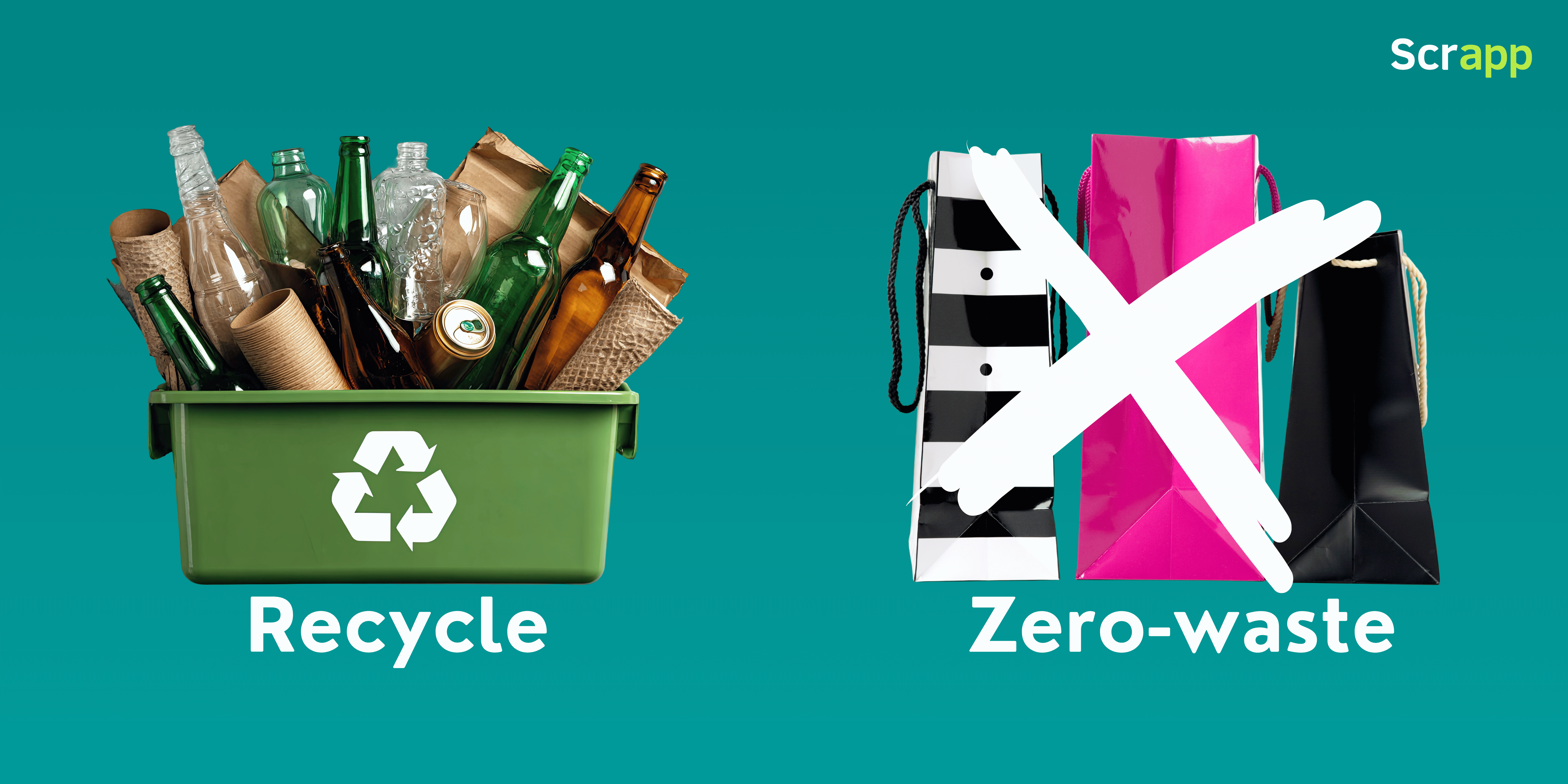
Recyclable describes one material's fate - whether a specific item can be processed back into new products through your local recycling system. Zero-waste is a broader goal: reducing what you consume in the first place, reusing and repairing before replacing, composting organic material, and treating recycling as a last resort rather than the whole plan. An item can be recyclable and still work against a zero-waste goal if it's single-use packaging you didn't need in the first place. For the fundamentals of both, see our complete guide to recycling.
Your effort already matters - the goal is just making sure it lands in the right place. Scan it and we'll tell you: get the free Scrapp® app and get a straight answer, built from local data instead of a guess.