🌍 Zero-Waste Days of 2026: dates, meaning and what to do

Zero waste days in 2026: dates, meaning, and what to do
2026 has seven major zero-waste dates, starting with Global Recycling Day on March 18 and the UN's International Day of Zero Waste on March 30. Each one turns a waste habit into something visible for a day, so it's easier to keep going after. Here's when they land and what's actually worth doing on each.
What are the zero waste days in 2026?
- March 18 — Global Recycling Day
- March 30 — International Day of Zero Waste
- April 22 — Earth Day
- April 29 — Stop Food Waste Day
- July 1–31 — Plastic Free July
- September 7–11 — Zero Waste Week (UK)
- November 15 — National Recycling Day (US)
None of these need a big gesture. The point of an awareness day is to notice one habit clearly enough to change it, not to overhaul everything at once. For more ideas between now and March, browse Scrapp's blog for small, specific swaps.
Why does Global Recycling Day (March 18) matter?
Global Recycling Day was created to reframe recycling as an economic resource, not just a chore. The 2026 theme, "Don't Think Waste – Think Opportunity," makes that point directly: recycled materials are raw materials the planet doesn't have to dig up again.
What to do: Spend ten minutes confirming what your local program actually accepts curbside. Rules vary block to block, and guessing is what sends good material to the trash — or bad material into the recycling.
What's the point of the International Day of Zero Waste (March 30)?
This is the one official UN observance on the list, run jointly by UNEP and UN-Habitat. The 2026 theme is food waste. Globally, people generate between 2.1 and 2.3 billion tons of municipal solid waste a year, a number the UN projects will hit 3.8 billion tons by 2050 without changes. Food is a big piece of that: about 1 billion tons, nearly a fifth of all food available to consumers, was wasted in 2022, and food loss and waste account for up to 10% of global greenhouse gas emissions. Scrapp rounds up numbers like these, along with what they mean at the household level, in its ongoing waste data reports.
What to do: Pick one week to actually look inside your fridge and pantry before you shop. Plan two or three meals around what's already there. It's the single most impactful habit on this list because food waste is the biggest, least visible category.
Earth Day and Stop Food Waste Day: two dates, one April
Earth Day (April 22) has run since 1970 and covers environmental action broadly, not just waste. Stop Food Waste Day (April 29), a week later, narrows the focus back to what's in your bin.
What to do: Use Earth Day for something bigger and occasional, like a proper closet or garage clear-out with donation in mind instead of the trash. Use Stop Food Waste Day for something small and repeatable: a "use it up" dinner built entirely from what's about to expire.
How do you actually take part in Plastic Free July?
Plastic Free July has grown since it started in Western Australia in 2011. In 2025, at least 174 million people across 190 countries took part, avoiding an estimated 290,000 tons of plastic that month, and 86% of participants said the changes they made stuck as lasting habits, according to the Plastic Free Foundation.
What to do: Don't try to cut all single-use plastic at once. Pick the one item you go through fastest, whether that's produce bags, bottled water, or coffee cups, and swap just that for the month. The habit that survives August is the one that was specific in July.

What happens during Zero Waste Week in September?
Zero Waste Week runs the week beginning the first Monday of September each year; in 2026, that's September 7–11. Each year has a theme built around a single item or category people commonly throw away instead of reuse.
What to do: Track your own bin for the week, just as data, without judging what you find. Noticing what you throw out most is the same feedback loop that makes municipal cart-tagging programs work: you can't fix what you never actually looked at.
Why does National Recycling Day (November 15) in the US still matter?
By the EPA's most recent official measure, the US recycles and composts about 32.1% of its municipal solid waste, well short of the agency's own target of 61% by 2030. National Recycling Day exists to close that gap one household at a time, heading into the year-end stretch when packaging waste spikes.
What to do: Before the holiday season, check your specific city or hauler's accepted-materials list. What's recyclable in one zip code is trash in the next, and this is the day most local programs push updated guidance.
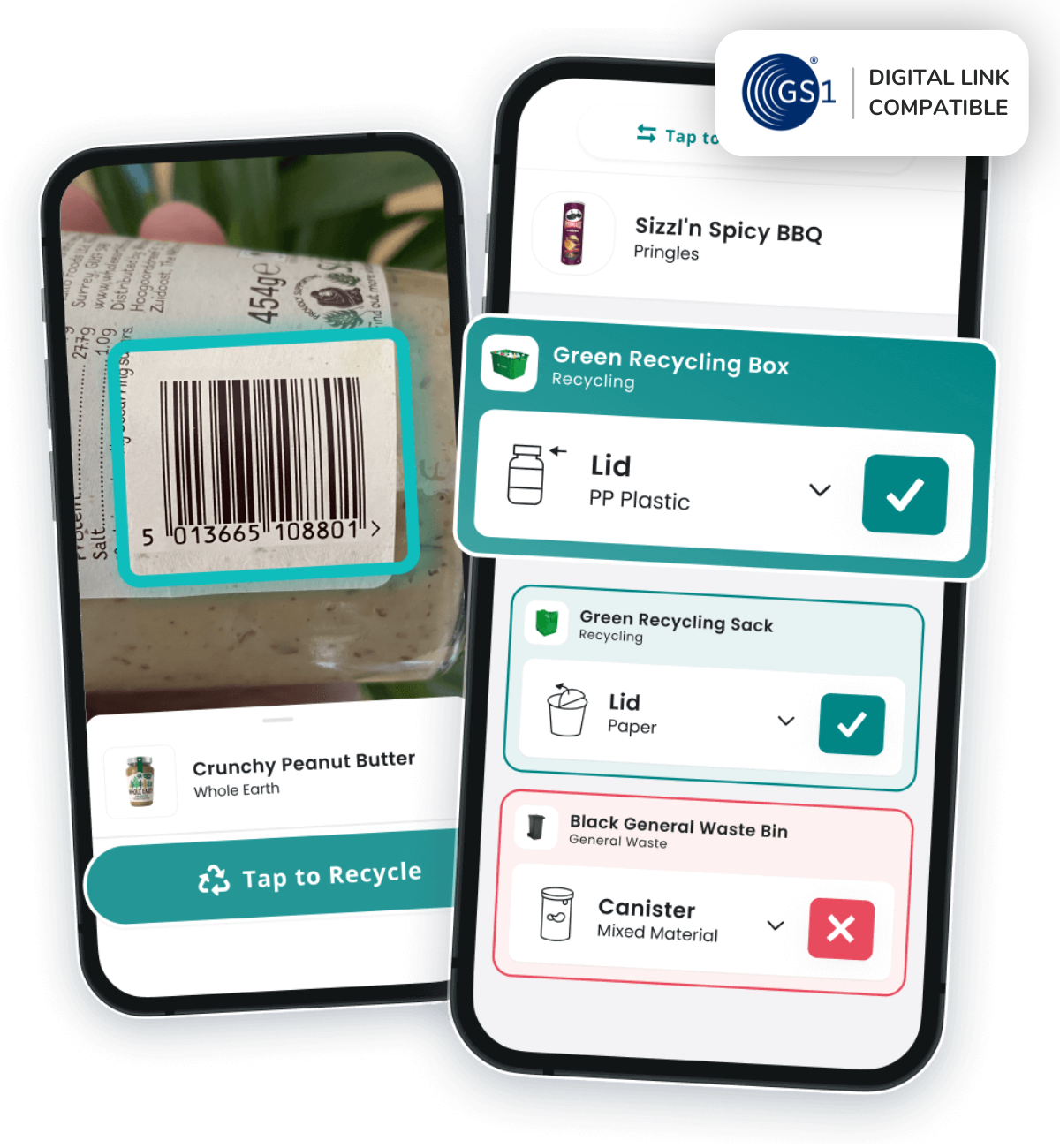
Want a straight answer instead of a guess next time you're standing over the bin? Try Scrapp's free app and scan or search the item.