How to recycle: a simple, complete guide
Recycling should be simple. Too often it isn't — the rules change street to street, the labels contradict theposters, and it's hard to know if any of it actually works. This guide cutsthrough that. Here's how to recycle properly, what goes where, and how to get aclear answer for your exact address.
The short version
Recycling well comes down tofive steps: check what your local program accepts, empty and dry your items,sort them by material, keep the things that don't belong out of your bin, andtake special items (like batteries and electronics) to a drop-off point. Getthose right and you'll avoid the mistakes that send whole loads to landfill.
How to recycle in 5 steps
1. Check your local rules. Recycling is decided locally,so the same item can be accepted on one street and refused on the next. Enteryour address in the Scrapp app to see exactly what your program takes.
2. Empty and dry it. Rinse out food and drink residue andlet items dry. Wet or dirty items can contaminate everything around them.
3. Sort by material. Keep paper, card, glass, metal, andplastic separated the way your program asks. When in doubt, check the item.
4. Keep the wrong things out. "Wishcycling" —putting something in the recycling because you hope it's recyclable — does moreharm than good. If you're not sure, look it up rather than guess.
5. Drop off the specials. Batteries, electronics, lightbulbs, soft plastics, and textiles usually can't go in your home bin. They havetheir own drop-off points, and they're easy to find.
What can I recycle?
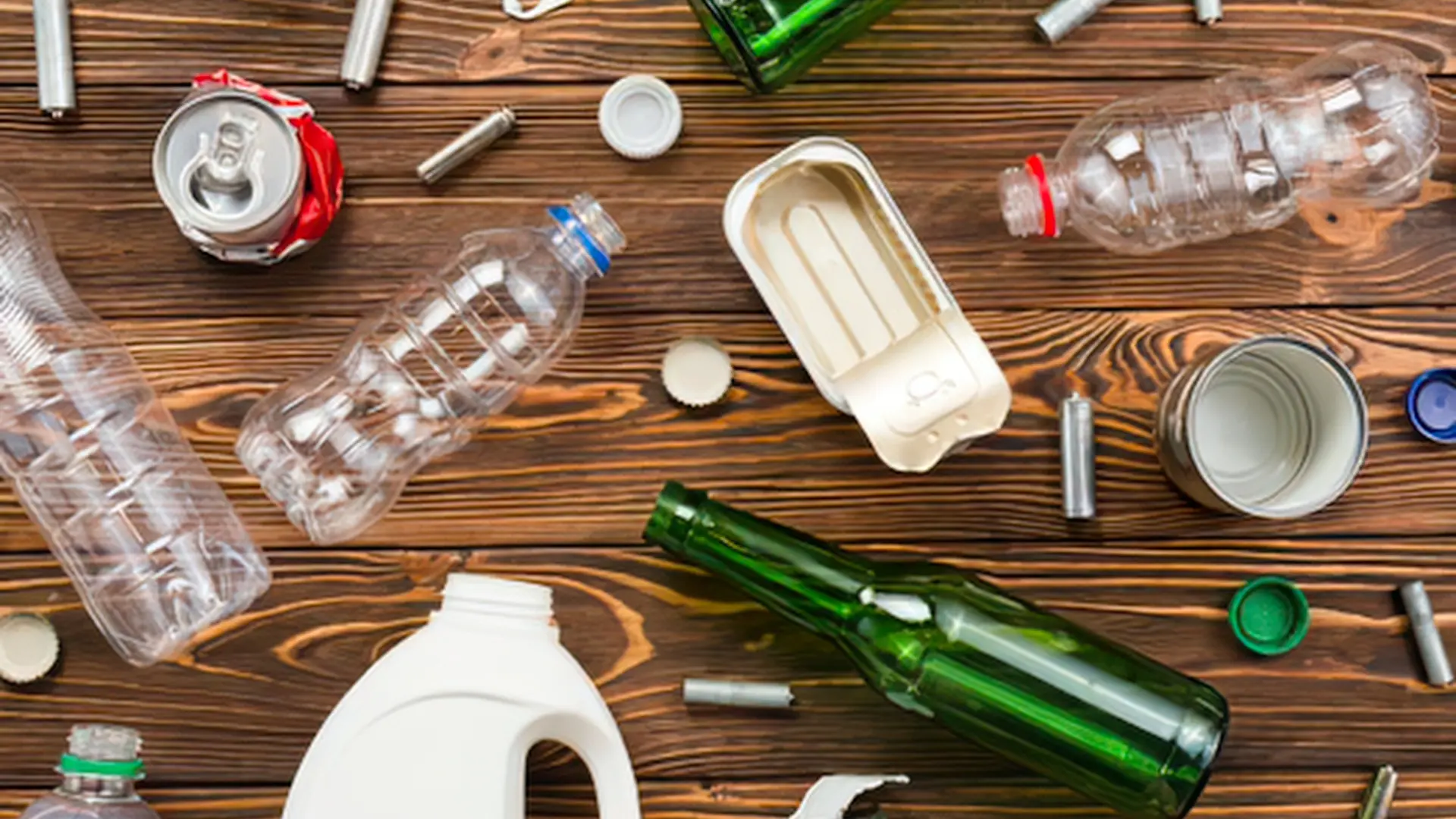
Most households can recycle far more than they think — and a few everyday things that look recyclable aren't. Here's a quick guide by material. For any single item, tap through to its page for the full answer and a local lookup.
Usually accepted in home recycling
Paper and cardboard — clean and dry. Flatten boxes.
Glass bottles and jars — rinsed, lids off.
Metal cans and tins — rinsed.
Plastic bottles — empty, with the cap on (in most programs). Usually needs a drop-off point.
Batteries and electronics — never in the home bin (firerisk).
Soft plastics and film — crisp packets, chip bags, bread bags, bubble wrap; many supermarkets collect these.
Light bulbs, and clothes — dedicated collection points.
Why recycling gets rejected (and how to avoid it)
Most rejected recycling comesdown to a handful of avoidable mistakes:
Contamination
One greasy box or half-full bottle canspoil the items around it. Empty and dry everything.
Wishcycling
Putting the wrong thing in "just incase" means whole batches can be downgraded. Look it up instead.
Bagging recyclables
Loose is usually better — bags jam the sorting machines (unless your program says otherwise).
Binning the specials
Batteries and electronics in the home bin are a genuine fire risk. They always need a drop-off point.