🐬 Scrapp Partners with Debris Free Oceans
.jpg)
Every Scan Counts: Scrapp Partners with Debris Free Oceans to Clean Miami's Coastlines
Miami-Dade County residents can now turn everyday recycling decisions into beach cleanup action
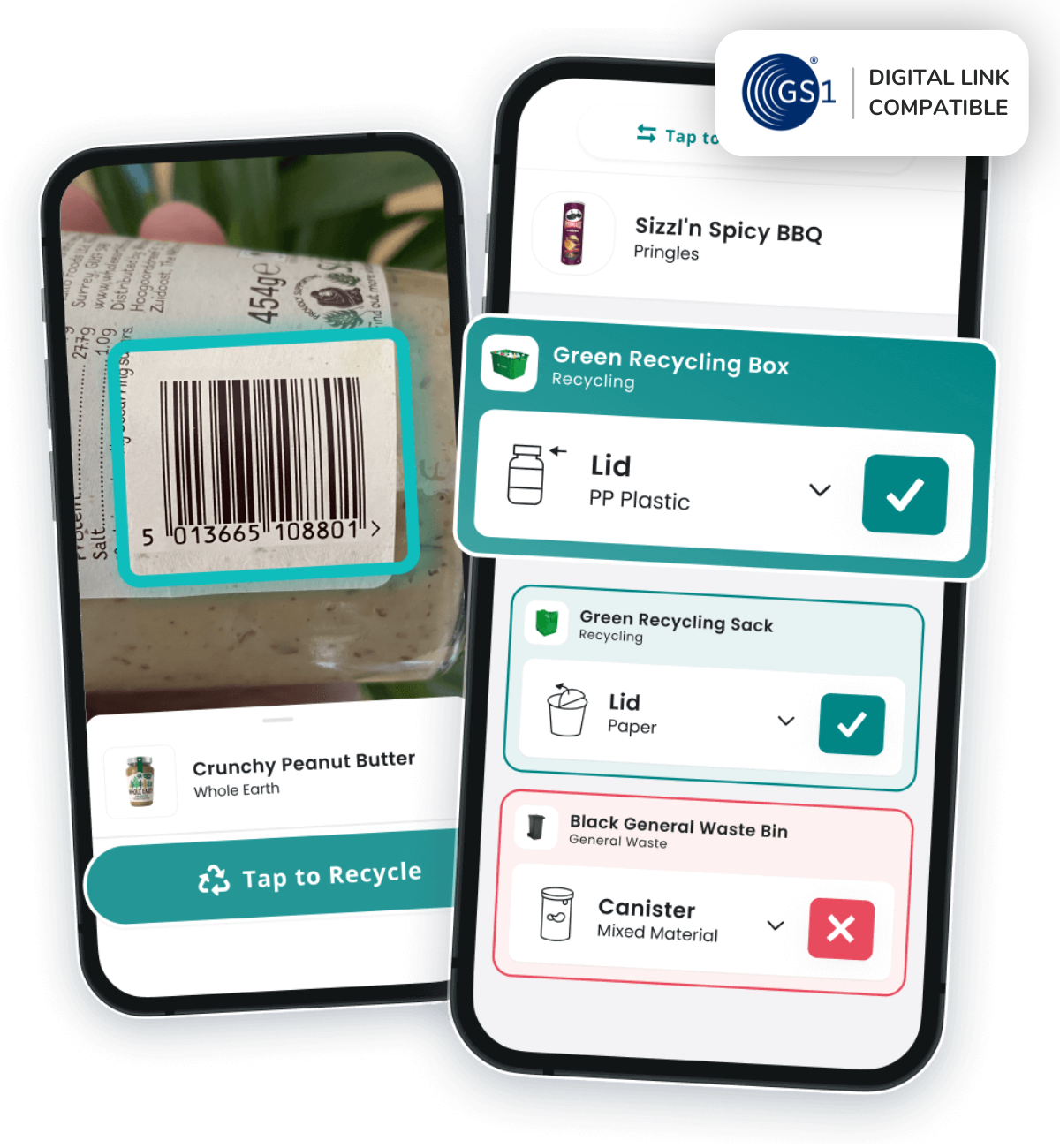
We're excited to announce a partnership that transforms how Miami-Dade County residents connect with local environmental impact. Every time you use Scrapp to search or scan an item for disposal guidance, you're directly contributing to cleaner beaches across Biscayne Bay.
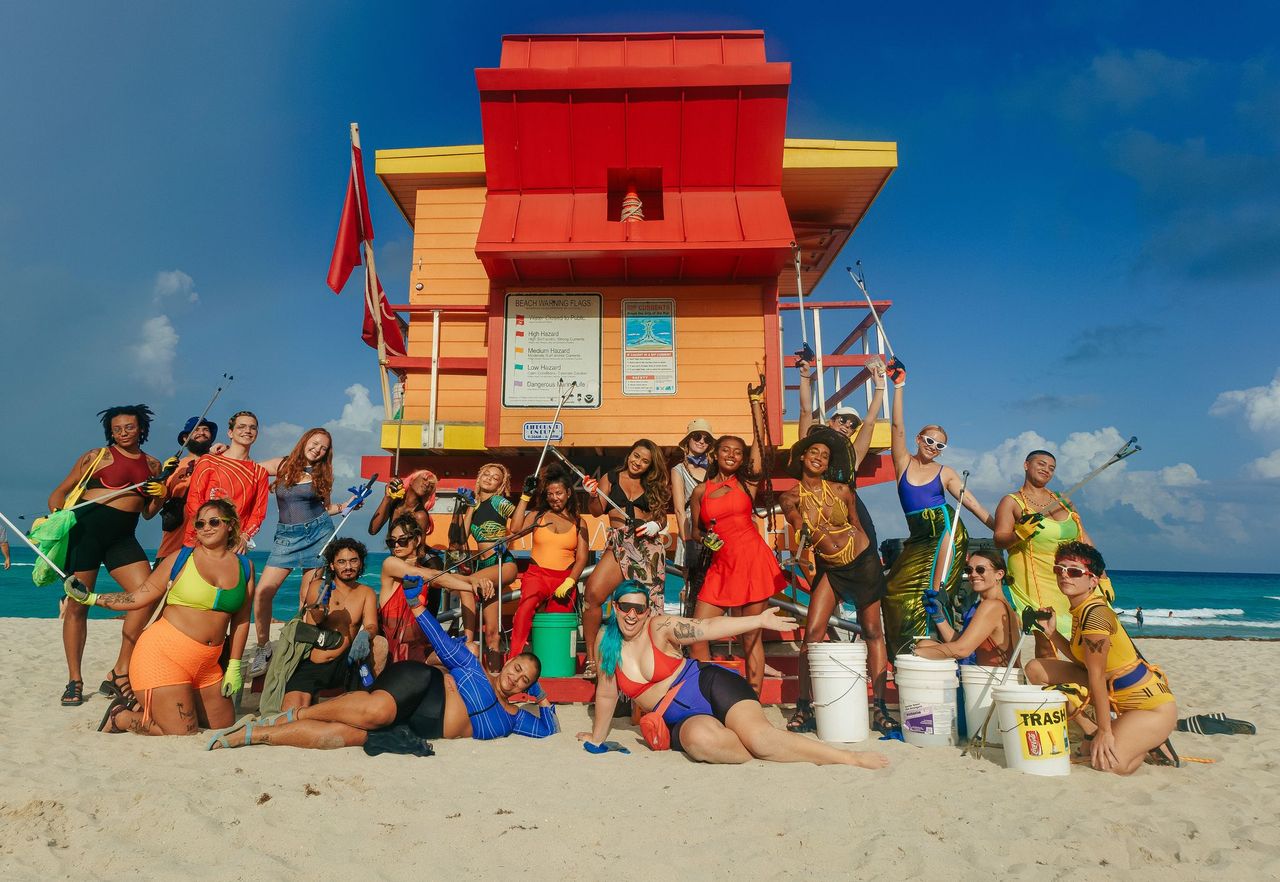
Through our partnership with Miami-based nonprofit Debris Free Oceans, we're funding beach cleanups based on community milestones—and we're starting with an ambitious goal.
How It Works: Your Scans Fund Beach Cleanups
Here's the simple equation: more scans or searches = cleaner beaches.
Every search or scan completed through Scrapp by Miami-Dade County residents counts toward milestone goals for the first year of our pilot with Miami-Dade County. When we hit each target, Scrapp funds a beach cleanup led by Debris Free Oceans in Biscayne Bay:
🎯 Goal 1: 10,000 scans → Beach cleanup funded
🎯 Goal 2: 50,000 scans → Beach cleanup funded
🎯 Goal 3: 75,000 scans → Beach cleanup funded
🎯 Goal 4: 100,000 scans → Beach cleanup funded
After each cleanup is funded, the counter resets and we go again. There's no limit to how many cleanups we can support together.
The best part? You don't need to do anything extra. Just keep using Scrapp the way you already do—searching for items like pizza boxes, plastic bottles, or that mystery packaging you're not sure about. Every query counts.
Why This Partnership Matters
“We are thrilled about this partnership because it connects with the community on multiple levels, engaging people of all ages to dispose of waste properly while strengthening our programs to address plastic pollution through hands-on education and cleanups. At Debris Free Oceans, we use our cleanups as a powerful teaching tool to highlight how the real solution lies upstream: reducing waste at the source and rethinking our reliance on single-use packaging. If a bathtub is overflowing we can’t keep mopping up water, we have to turn off the tap.
Scrapp helps make this reality visible, showing just how many everyday items aren’t truly recyclable and why recycling alone can’t solve the crisis. By capturing detailed data on what’s being discarded, Scrapp can also inform smarter policies and programs, from product redesign to reusable packaging systems, that prevent waste before it’s created.”

Debris Free Oceans has been leading Miami's transition toward a zero-waste economy through education, community events, direct action, and uniting stakeholder efforts through the Zero Waste Miami coalition. Their approach recognizes that solving waste isn't just about infrastructure—it's about culture. By connecting Scrapp users to beach cleanup funding, we're building that cultural shift together.
The Miami-Dade Recycling Challenge
If you've lived in Miami-Dade County for any length of time, you know the frustration: recycling rules aren't always clear, disposal options vary by neighborhood, and that label on your packaging might not even be accurate for your location.
That's because 40% of on-pack disposal labels don't account for local infrastructure - meaning what's recyclable in one city might be trash in another. In fact, the recycling symbol operates in a gray area: while the Federal Trade Commission can challenge misleading recycling claims, there is no standardized federal system that verifies whether products labeled with the symbol are actually recyclable in most communities. In Miami-Dade County specifically, this confusion leads to contamination, missed recycling opportunities, and ultimately, more waste ending up where it shouldn't: in landfills, in our streets, and in Biscayne Bay.
Proper disposal guidance isn't just about feeling good—it's about measurable environmental outcomes. When more residents know exactly where their waste should go, contamination rates drop, recycling rates improve, and less debris ends up in our marine ecosystems.
The Ripple Effect: Upstream Meets Downstream
This partnership creates a powerful feedback loop:
Upstream: You can use Scrapp data to advocate for policies and programs that prevent waste from the source, including reduction and reuse initiatives.
Midstream: You use Scrapp to dispose of items correctly, improving recycling program efficiency across Miami-Dade County and reducing the amount of waste sent to landfills.
Downstream: Your collective engagement funds removal of debris that's already impacting Biscayne Bay's marine life, water quality, and coastal ecosystems.
The impact compounds. Every beach cleanup removes pounds of plastic, fishing line, cigarette butts, and other debris that would otherwise break down into microplastics, harm marine animals, or wash back onto shore. Meanwhile, every correct disposal decision you make prevents future debris from entering the system.
.jpeg)
.jpeg)
Double the Impact: Plastic Bank + Debris Free Oceans
Here's something that sets Scrapp apart: we're not choosing between solutions—we're stacking them.
Our existing partnership with Plastic Bank continues, meaning every Miami-Dade County resident using Scrapp contributes to:
- Local beach cleanups through Debris Free Oceans (funded by milestone achievements)
- Global plastic offsetting through Plastic Bank (one plastic bottle removed from nature per scan or search)
You get double the environmental benefit from the same action. No extra effort required.
This Is Just the Beginning
The Debris Free Oceans partnership is part of our broader commitment to Miami-Dade County. We've seen incredible engagement from residents who are tired of recycling confusion and want to make a real difference through digital tools. But this isn't just about Miami. It's about proving a model: that everyday disposal decisions, when guided correctly and connected to measurable impact, can drive meaningful environmental change at scale.
We're watching closely to see how fast Miami-Dade County hits that first 25,000-scan milestone and will be sharing progress on our socials.
Your Next Scan or Search Matters
Whether you're at home wondering where your broken electronics go, at the store comparing packaging options, or cleaning out your garage and facing a mystery pile of "maybe recyclable" items—just ask Scrapp.
Download Scrapp (if you haven't already) or open the app right now and check out the 'Overview' page to track the community's progress:
Every query pushes Miami-Dade County closer to funding the next beach cleanup.
And if you want to join a Debris Free Oceans cleanup in person when we hit our milestones, follow them on social media at @debrisfreeoceans or check out their public events at www.debrisfreeoceans.org/events to stay updated on volunteer opportunities.
About Debris Free Oceans
Debris Free Oceans is a Miami-based nonprofit empowering local communities to transition toward zero waste through education, events, consulting, and advocacy. Their work is grounded in the understanding that zero waste requires both infrastructure improvements and cultural shifts. They promote the 5Rs—Rethink, Reduce, Reuse, Recycle, and Recapture—as a framework for systemic change. Learn more at debrisfreeoceans.org.
Let's clean up Miami together—one scan or search at a time.