Why digitizing your waste data matters
Digitizing waste data means moving it off paper and spreadsheets into a live data system. That shift gives you real-time visibility, tighter cost control, and audit-ready reporting. It matters because half of US municipal waste still goes to landfill, and regulators now expect accurate numbers you can prove.
Here's the shift in plain terms. Waste data trapped on paper can't help you. The same data in a live system tells you what to fix, what to cut, and what to report. This post breaks down why that move matters for your budget and your compliance.
What does it mean to digitize waste data?
Most waste data starts life on paper. A driver notes a pickup. A manager types weights into a spreadsheet. Numbers get emailed around and lost.
Digitizing that data means capturing it once, in a shared system, where it stays current. Every scan,weight, and pickup lands in one place. You see it in real time, not at quarter-end.
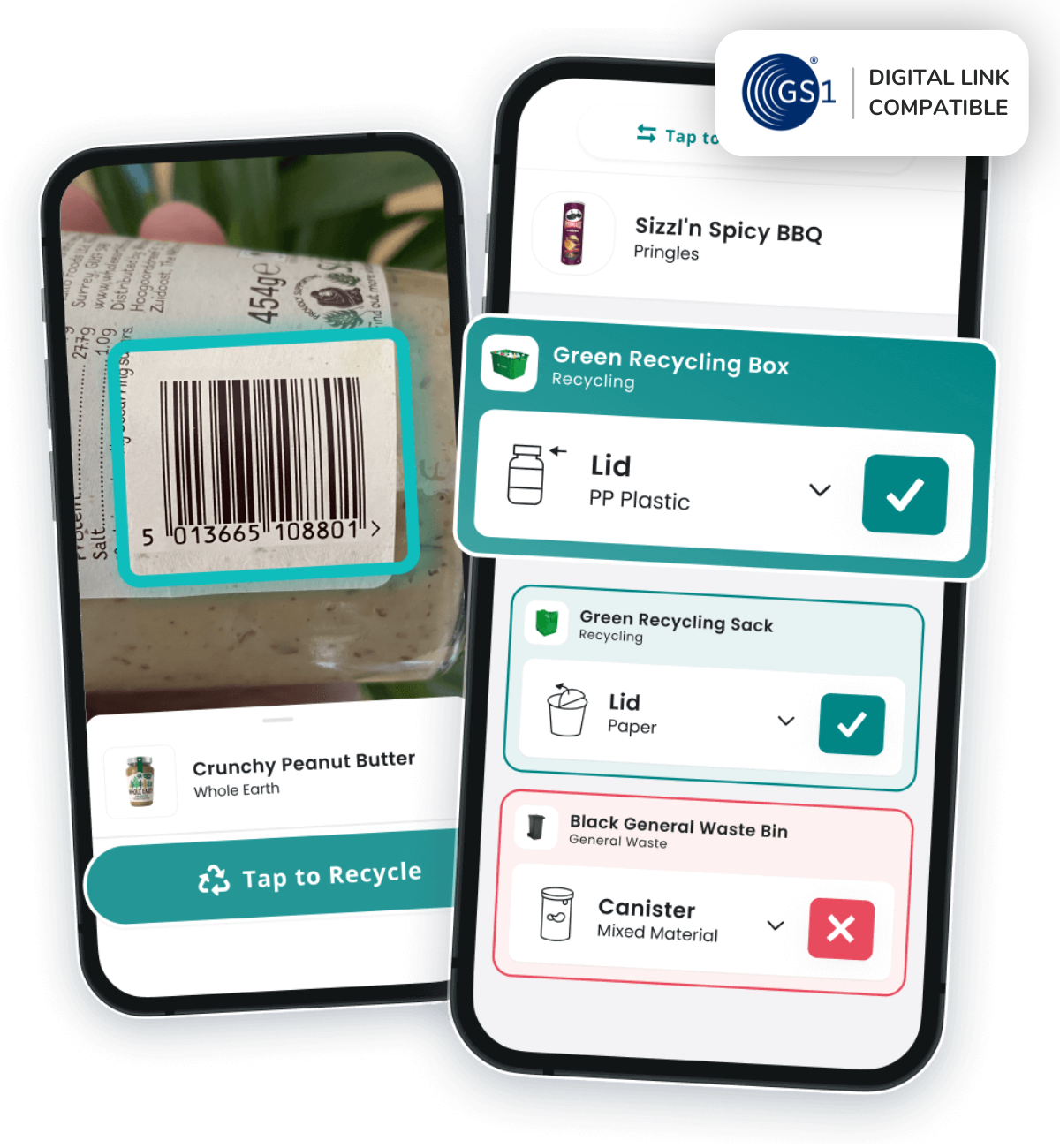
Scrapp® works as the data layer beneath that shift. The move matters more than any single tool — including ours.
Why do spreadsheets fall short for waste tracking?
Spreadsheets are everywhere, and that's the trouble. They're a universal pain, not a rival product. One person owns the file. Data goes stale between updates. A single typo skews a whole report. And no one sees today's numbers, only last month's.
Waste moves faster than a spreadsheet can keep up. When your data lags, your decisions lag too.
How does digital waste data cut costs?
Poor visibility costs real money. Industry estimates suggest businesses often save around 10% of recurring waste and recycling spend just by auditing hauler invoices.
Those savings hide in plain sight: over-cap rate hikes, misapplied fuel surcharges, phantom fees. You can't catch them without clean data. In practice, your hauler's invoice can be a black box you can't read.
Digital data also right-sizes service. Track fill levels and you stop paying for half-empty pickups. Start with a waste audit and characterization study to see what you actually throw away.
What does digital waste data mean for ESG and compliance?
ESG stands for environmental,social, and governance — the non-financial measures companies now report on.Waste sits squarely inside the "E."
New rules raise the stakes. The EU's Corporate Sustainability Reporting Directive, or CSRD, requires large companies to report waste and resource use under set standards. The first reports cover the 2024 financial year.
Paper records won't pass an audit. Reviewers want numbers with a clear trail: who recorded what, when, and how. Digital data carries that trail by default.
Even outside the EU, the gap is wide. As of 2022, roughly one-third of the largest US companies disclosed no environmental data at all. In the UK, Digital Waste Tracking is set to be implemented in October 2026 but almost half use software for the waste reporting.
How do you track diversion rates accurately?
Your diversion rate is theshare of waste kept out of landfill through recycling, composting, and reuse. It's a headline number for any waste program.
Get it wrong and you mislead your own team. Guessing from memory or stale spreadsheets inflates the figure.
One caution matters here. Waste sent to incinerators for energy is not recycling and not diversion. Accurate systems keep those streams separate, so your rate stays honest.
The scale explains the urgency. US municipal waste reached about 292 million tons in 2018, and about half still went to landfill per EPA figures. Globally, the World Bank expects waste to grow around 70% by 2050. Clean data is how you push against that curve. From there, build an effective waste program on numbers you trust.
Frequently asked questions
What does digitizing waste actually involve?
It means capturing waste data —weights, pickups, streams — in a shared digital system instead of on paper or spreadsheets. The data updates in real time, stays in one place, and carries an audit trail you can report from with confidence.
Is a spreadsheet good enough to start?
A spreadsheet beats nothing,but it stalls fast. It goes stale between updates, breaks on a single typo, andshows only past numbers. For compliance-grade reporting, you need live,verifiable data instead.
How does better waste data save money?
Clean data exposes billing errors and oversized service. Industry estimates put typical invoice savings near 10% of recurring waste spend. You also stop paying for half-empty pickups once you track fill levels closely.
Does digital waste data help with ESG reporting?
Yes. Rules like the EU's CSRD expect accurate, auditable waste figures. Digital records give reviewers theclear trail they want, which paper and spreadsheets rarely provide on their own.
Is waste-to-energy counted as recycling?
No. Burning waste for energy is not recycling and not diversion. Honest tracking keeps combustion, recycling, and composting in separate buckets, so your diversion rate stays accurate and defensible.
Ready to get your waste data straight?
Off paper, into a system —that's the whole move. You gain visibility, cost control, and reports you can defend.
Want to talk it through? Book a 15-minute call with the Scrapp team to map your first step toward zero-waste.
.jpg)