
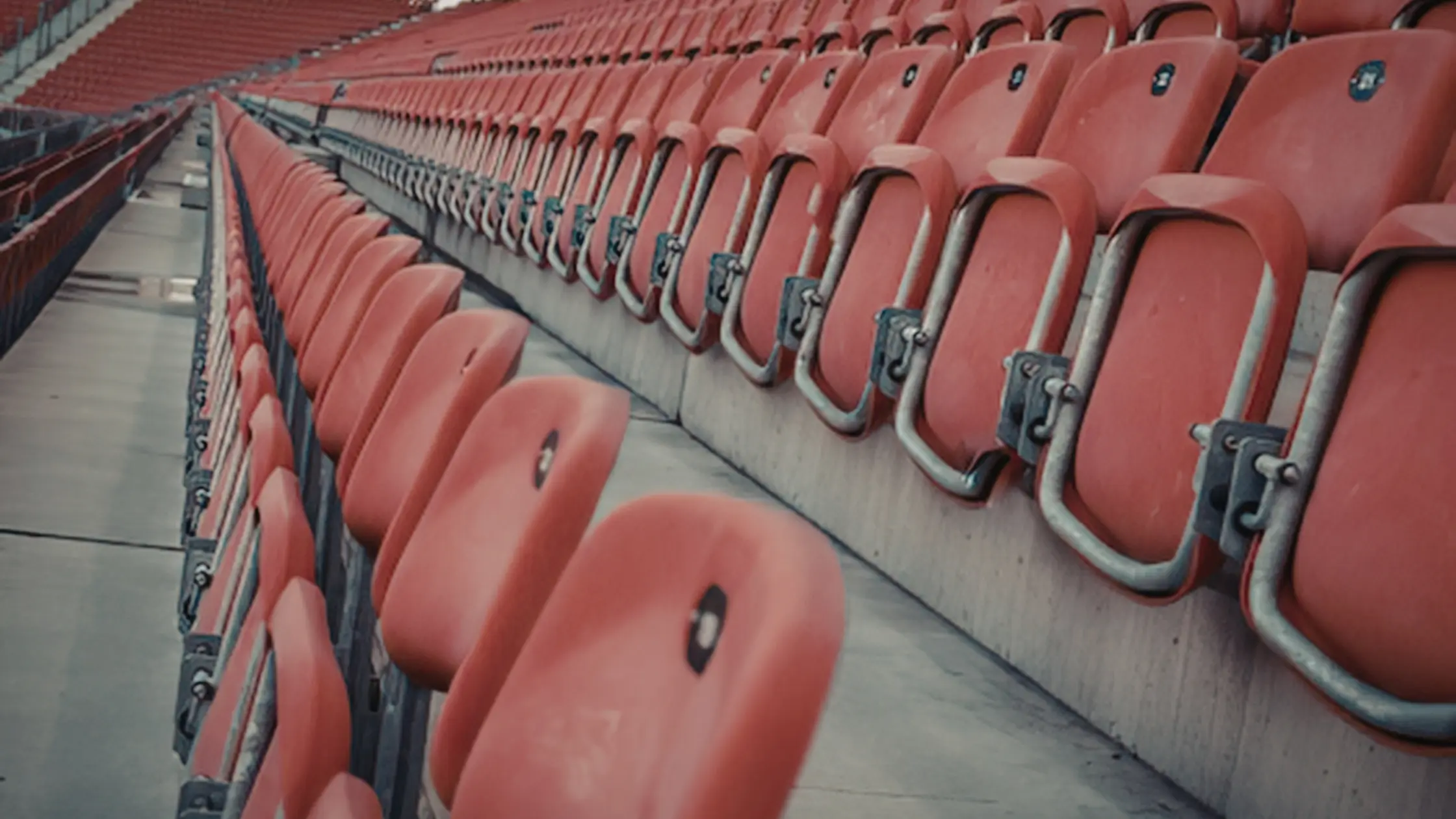
How Scrapp cut an NFL and FIFA World Cup 2026™ Stadium's waste bill by 22%
An NFL stadium that's also hosting FIFA World Cup 2026™ matches runs 30 to 40 major events a year through eight separate waste haulers. After its waste bill grew 21.5% year over year, Scrapp unified those haulers' invoice data, cut the venue's waste bill by 22%, and lifted its recycling rate to 39.7% within a year.
Why was an NFL stadium's waste bill outpacing its own event calendar?
The venue hosts 30 to 40 major events annually, each with 65,000-plus fans, plus roughly 1,000 corporate hospitality events a year. All of that waste moved through eight separate haulers. After a stagnant 2023 to 2024, the numbers started moving in the wrong direction: waste costs grew 21.5% year over year, and the sustainability lead spent hundreds of hours liaising with haulers just to keep up. With eight providers each reporting differently, there was no single view of where costs were coming from or which levers actually moved them.
How do you fix eight haulers reporting eight different ways?
The venue brought in Scrapp's AI software and white-glove TRUE Certified Customer Support, and Scrapp organized the unstructured hauler data into one place. Scrapp ingested more than 7,000 line items from over 400 invoices across all eight haulers into a single data layer, surfacing charge-type detail that had been completely opaque before. From there, Scrapp took the analysis upstream: examining what the venue was purchasing that eventually became waste, not just how that waste got sorted afterward. That upstream work led to a draft Sustainable Procurement Policy framework, a Reusable Serviceware RFI built around a 10,000-fan pilot, and input into planning for a future venue.
Scrapp definitely saved me time. The compiled spreadsheets with all waste-hauling data itemised give us key insights we haven’t had before. Once we have everything on the platform, I won’t have to do waste-diversion calculations — it’ll all be automated. Being able to brainstorm the challenges we’re facing with a TRUE Zero Waste-certified team — that’s been huge.
Sustainability Lead for NFL & FIFA World Cup 2026™ Stadium
What happened to the diversion rate once the data was unified?
The venue's landfill diversion rate moved from 25.4% in 2023 to 31.0% in 2024, then to 39.7% in 2025, the first full year Scrapp was engaged, a net gain of 14.3 percentage points. Tons landfilled dropped from 2,240 to 1,689 over that period, while tons diverted rose from 764 to 1,112. This progress helped set the foundation for increased operations with the FIFA World Cup happening in the Summer of 2026.
How much recoverable material is still sitting in the landfill stream?
Based on 100% per-event waste sorts conducted at every major event and documented in structured sustainability recap decks, the team identified 507 to 844 tons a year of recoverable material still ending up in the 2025 landfill stream, representing 30% to 50% of everything the venue sent to landfill that year. Even with real gains already booked, that's the size of the opportunity still sitting on the table, which is typical for a facility this complex once you can finally see the whole waste stream at once.
What this means for facilities and stadium operators
None of this is unique to one stadium. Any large venue, campus, or property portfolio running multiple haulers tends to have the same blind spot: fewer than 13% of businesses currently report clean waste data, according to industry research, because the invoices, formats, and charge codes never line up cleanly across vendors. It's the same dynamic behind why waste bills keep climbing across a $100 billion hauling industry. By closing that gap for this venue, Scrapp delivered an 18x return on services, saved the team more than 100 hours of admin time, and cut over $300,000 in costs, on top of the 22% reduction in the overall waste bill.
The venue's sustainability lead put it simply: "The compiled spreadsheets with all waste-hauling data itemized give us key insights we haven't had before. Once we have everything on the platform, I won't have to do waste-diversion calculations, it'll all be automated. Being able to brainstorm the challenges we're facing with a TRUE Zero Waste-certified team, that's been huge."
If your facility's waste story sounds anything like this one, and you're curious what your own hauler invoices might be hiding, our look at why recycled material prices swing with the oil market is a good next read for understanding what happens to diverted material after it leaves your facility.
Book a call with Scrapp now to reduce waste in your sports facility.