Glass
Glass
glass bottles, jars, glass jars, wine bottles, beer bottles
Can you recycle?
Widely
Glass bottles and jars are widely recycled. Empty and rinse them, remove metal lids, and place them in your curbside or bottle-bank recycling.
Verified against 40,000+ local recycling programs · Updated June 2026
How to prepare
1. Empty the bottle or jar and give it a quick rinse.
2. Remove metal lids and recycle them with cans.
3. Leave labels on — they burn off during processing.
4. Place the glass in your curbside recycling or take it to a bottle bank.
Common mistakes
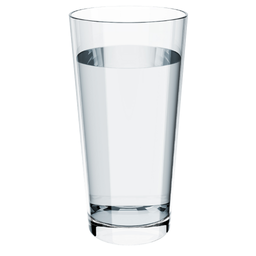
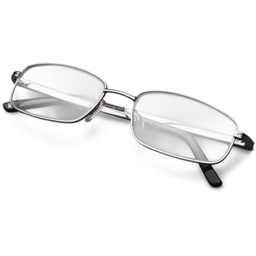
Including drinking glasses, Pyrex, or window glass, which melt at a different temperature and contaminate the batch. Leaving food or liquid inside. Binning broken glass loose — wrap it for safety.
What happens after you recycle it?
Recycled glass is crushed, melted, and reformed into new bottles and jars endlessly — it can be recycled over and over with no loss of quality.
Drop-off guidance
Many curbside programs collect glass bottles and jars; where they don't, bottle banks at supermarkets and recycling centers take them, often separated by color. In deposit-return areas, return bottles for a refund.
FAQs
♻️ Can I recycle glass?
Yes. Glass bottles and jars are widely recycled — empty and rinse them, remove metal lids, and use your curbside bin or a bottle bank.
📍 Where can I recycle glass near me?
Use the lookup above to find curbside collection or your nearest bottle bank at a supermarket or recycling center.
🆓 Is it free to recycle glass?
Yes. Curbside recycling and bottle banks are free to use.
💸 Can I get paid to recycle glass?
In deposit-return areas, yes — return glass drink bottles to a redemption point or reverse vending machine for a refund.