Household & Hazardous
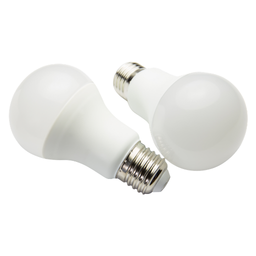
Light bulbs
lightbulbs, LED bulbs, fluorescent tubes, CFL bulbs, halogen bulbs
Can you recycle?
Sometimes
It depends on the bulb. LED and halogen bulbs go to e-waste drop-off; fluorescent tubes and CFLs contain mercury and need a hazardous-waste point.
Verified against 40,000+ local recycling programs · Updated June 2026
How to prepare
1. Let the bulb cool and handle it gently.
2. Keep fluorescent tubes and CFLs intact — they contain mercury.
3. Keep LED and incandescent bulbs separate from glass recycling.
4. Take bulbs to a hardware store collection point or recycling center that accepts them.
Common mistakes
Putting any bulb in your glass or curbside recycling — bulb glass is different and not accepted. Binning fluorescent tubes or CFLs, which release mercury if broken. Snapping tubes to fit the bin.
What happens after you recycle it?
Recycled bulbs are separated into glass, metal, and electronics for reuse; fluorescent tubes have their mercury safely captured during processing.
Drop-off guidance
Many hardware stores and recycling centers have bulb collection points. Fluorescent tubes and CFLs must go to a hazardous-waste facility or a retailer take-back; LED and halogen bulbs are recycled as e-waste where accepted.
FAQs
♻️ Can I recycle light bulbs?
Some. LED and halogen bulbs go to e-waste drop-off, and fluorescent tubes and CFLs go to a hazardous-waste point — none belong in your home bin.
📍 Where can I recycle light bulbs near me?
Use the lookup above to find hardware store collection points, recycling centers, and hazardous-waste facilities near you.
🆓 Is it free to recycle light bulbs?
Usually yes. Most store collection points and household hazardous-waste sites accept bulbs free of charge.
💸 Can I get paid to recycle light bulbs?
No. There's no payment for used bulbs, but recycling them is free and keeps mercury out of landfill.