🗑️ What items shouldn't go in your recycling bin?
.jpg)
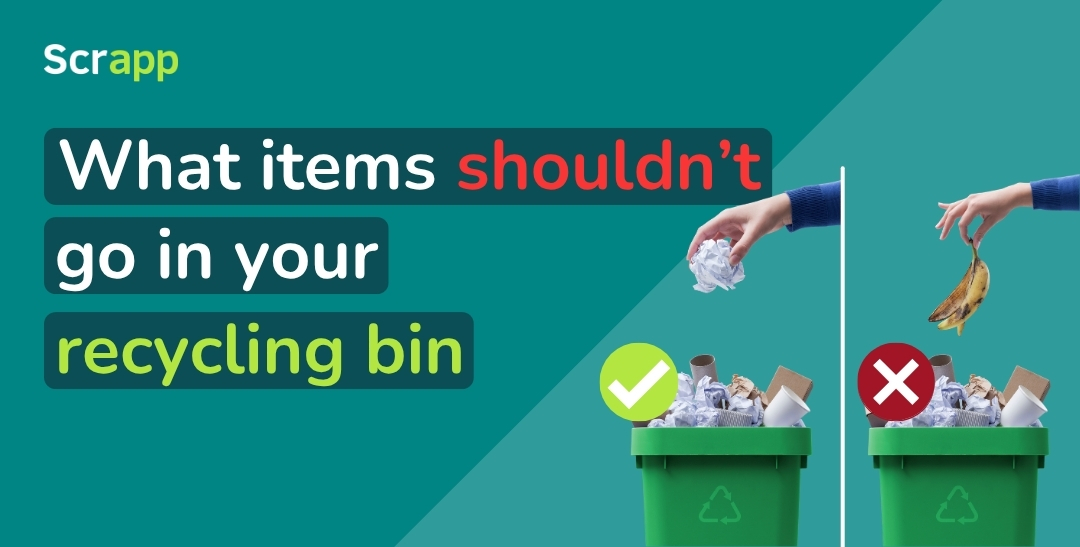
Keep out plastic bags, food-soaked items, batteries, coffee cups, foam, textiles, ceramics, and anything smaller than 3 inches. These hopeful extras jam sorting machines and spoil good material around them. About 17% of what U.S. households put in recycling bins is contamination — material that doesn't belong — according to The Recycling Partnership.
Here's the good news: your recycling habit really does matter. Getting a handful of items right is the difference between a clean load that gets recycled and a load that gets dumped. This guide walks through the usual troublemakers, why each one is a problem, and what to do instead.
Why does one wrong item cause so much trouble?
Your bin doesn't go straight to a recycling machine. It goes to a materials recovery facility, or MRF — the plant that sorts everything by hand and machine. When the wrong stuff shows up, it tangles equipment, injures workers, and mixes into clean paper and plastic.
Contamination is expensive, too. It costs U.S. sorting facilities at least $300 million a year, and roughly 8.6 million tons of otherwise-recyclable material get rejected and landfilled, per The Recycling Partnership's 2024 report.
This is why "wishcycling" — tossing something in the bin and hoping it gets recycled — backfires. One greasy box or one plastic bag can drag down a whole batch. Correct sorting beats hopeful sorting every time.
What should never go in your curbside recycling bin?
Rules vary by town, but these items cause problems almost everywhere. Here's each one and what to do instead.
Plastic bags, film, and "tanglers"
Plastic bags, wrap, and film are lightweight and stringy. They wind around the spinning screens at the MRF and force workers to shut the line down and cut them out by hand. The same goes for "tanglers" — garden hoses, cords, and string lights.
Do this: Keep bags and film out of your curbside bin. Take clean plastic bags and film back to a store drop-off. Trash or donate hoses and cords.
Food and liquid residue
Half a yogurt or a splash of soda soaks into paper and cardboard and ruins it. Sticky residue is one of the biggest drivers of that 17% contamination rate.
Do this: Empty every container. Give greasy or sticky ones a quick rinse before they go in the bin.
Greasy pizza boxes
Clean cardboard is a recycling star. But grease and cheese soak into the fibers, and oil-stained paper can't be made into new paper.
Do this: Tear off and recycle the clean top. Trash or compost the greasy bottom.
Batteries and small electronics
This is the dangerous one. Lithium-ion batteries hide inside phones, vapes, earbuds, power tools, and even light-up greeting cards. When they get crushed in a truck or at the MRF, they can catch fire.
Do this: Never put batteries or electronics in any bin. Take them to a dedicated drop-off. We cover this in depth in our guide to why batteries spark fires and what it costs.
Disposable coffee cups
Most paper coffee cups have a thin plastic lining fused inside to hold liquid. That lining is why most paper mills and MRFs can't process them.
Do this: Put disposable cups in the trash unless your local program specifically accepts them. Better yet, carry a reusable cup.
Small items under 3 inches
Anything smaller than about 3 inches — loose bottle caps, straws, coffee pods, plastic cutlery — falls through the sorting screens or jams them.
Do this: Leave tiny items out unless your program lists them. Keep caps screwed onto bottles so they stay in the stream.
Polystyrene and Styrofoam
Foam cups, takeout clamshells, and packing foam are mostly air. They shatter into pieces that scatter across the MRF, and almost no curbside program takes them.
Do this: Trash foam, or find a specialty drop-off if your area has one.
Textiles and clothing
Old clothes, shoes, and fabric wrap around machinery like tanglers do. National recovery is low — the EPA reports the U.S. recycled just 14.7% of textiles in 2018, and landfills took 11.3 million tons.
Do this: Donate wearable items. Use a textile-specific bank or store take-back for the rest. Keep them out of curbside.
Ceramics, Pyrex, and drinking glasses
Bottle-and-jar glass is recyclable. But ceramics, Pyrex, and drinking glasses are made differently and melt at different temperatures, so they contaminate the glass stream and can shatter dangerously.
Do this: Donate usable dishes. Trash broken ceramics and glassware, wrapped safely.
Why are batteries and electronics such a fire risk?
Because a crushed lithium-ion battery can go into "thermal runaway" — it overheats and ignites the material around it. These fires are rising fast. U.S. and Canadian waste and recycling facilities logged 448 fires in 2025, causing about $2.5 billion in damage, according to fire-safety firm Fire Rover's annual data reported by Resource Recycling.
The EPA has tracked the same trend, counting 245 fires at 64 waste facilities linked to lithium batteries between 2013 and 2020. Sorting plants get hit hardest. That's why a single battery in your bin is a genuine safety risk — and why a drop-off is always the right call.
What should you do when you're not sure?
Follow one simple rule: when in doubt, check your local rules or scan the item. Recycling rules change from town to town, so a quick check beats a lucky guess.
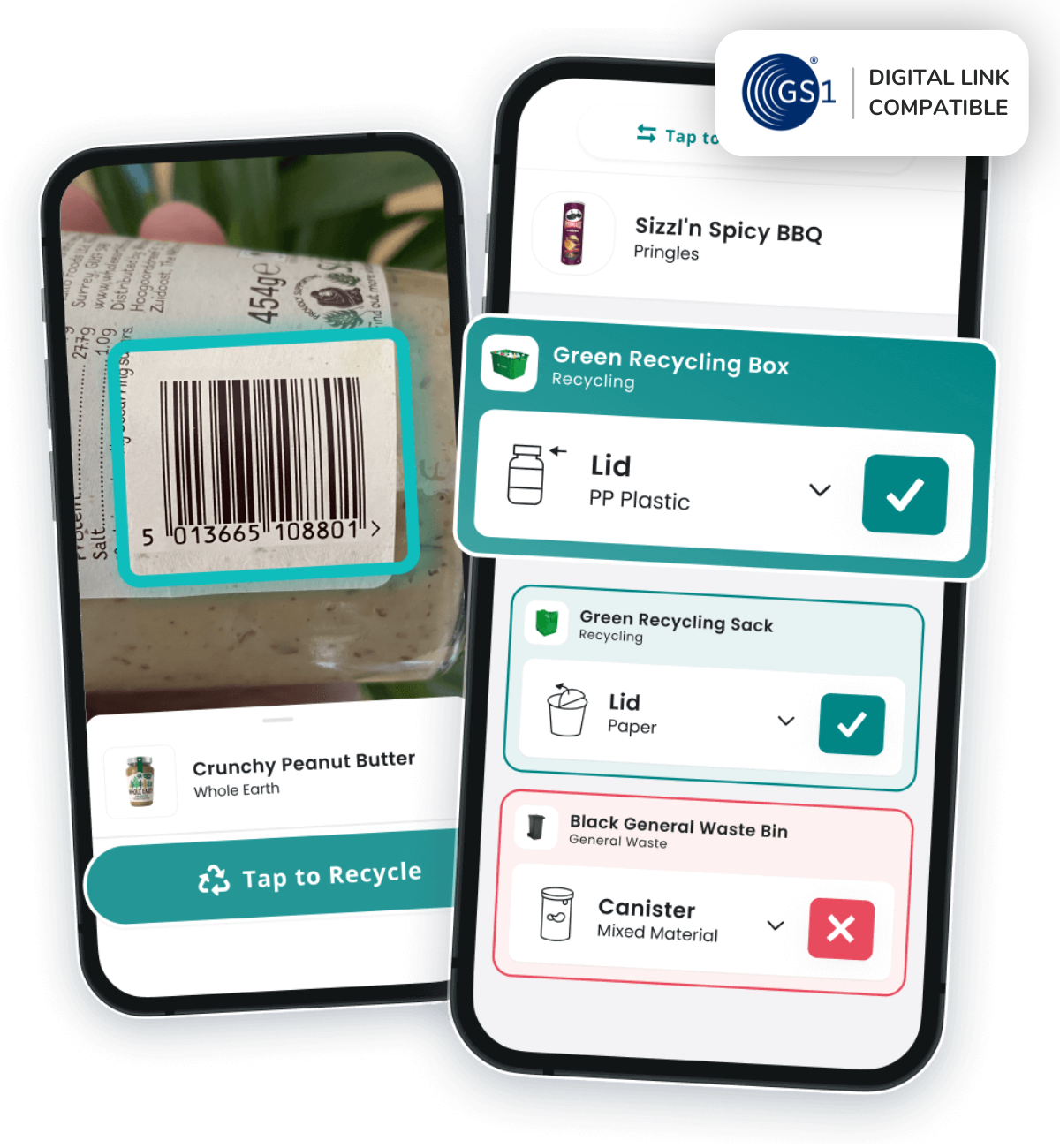
The free Scrapp® app makes this easy. Scan a barcode or search an item, and it tells you exactly what goes where based on your local program. Communities use it to cut confusion at the curb — see how one region did it in the Re3 at-home recycling story. If you help run a program, our proven ways to communicate proper waste disposal can help, too.
Frequently asked questions
Can I recycle plastic bags at all?
Yes, just not in your curbside bin. Many grocery stores have a front-of-store drop-off for clean plastic bags and film. That keeps them out of the MRF, where they tangle machines. Check that the film is clean and dry first.
Is it better to rinse containers or leave them?
Rinse them. You don't need them spotless, but empty and quickly rinse anything sticky or greasy. Leftover food and liquid soak into paper and turn clean recyclables into contamination that can spoil a whole load.
Does one wrong item really ruin recycling?
Sometimes, yes. A single load can be rejected and sent to landfill if it's too contaminated. That's why guessing wrong matters. Only about 9% of all plastic ever made has been recycled, so keeping the recycling we do collect clean is worth the effort.
Where do I take batteries and old electronics?
Take them to a dedicated drop-off — many hardware stores, electronics retailers, and household hazardous waste sites accept them. Never put them in a curbside bin. Bag loose batteries and tape the terminals so they can't short and spark.
Recycle right, starting today
You don't have to memorize every rule. Keep the big offenders out of your bin, and check anything you're unsure about. Small habits add up to cleaner loads and real impact.
Ready to stop guessing? Try the free Scrapp app and scan your way to zero-waste, one item at a time.